


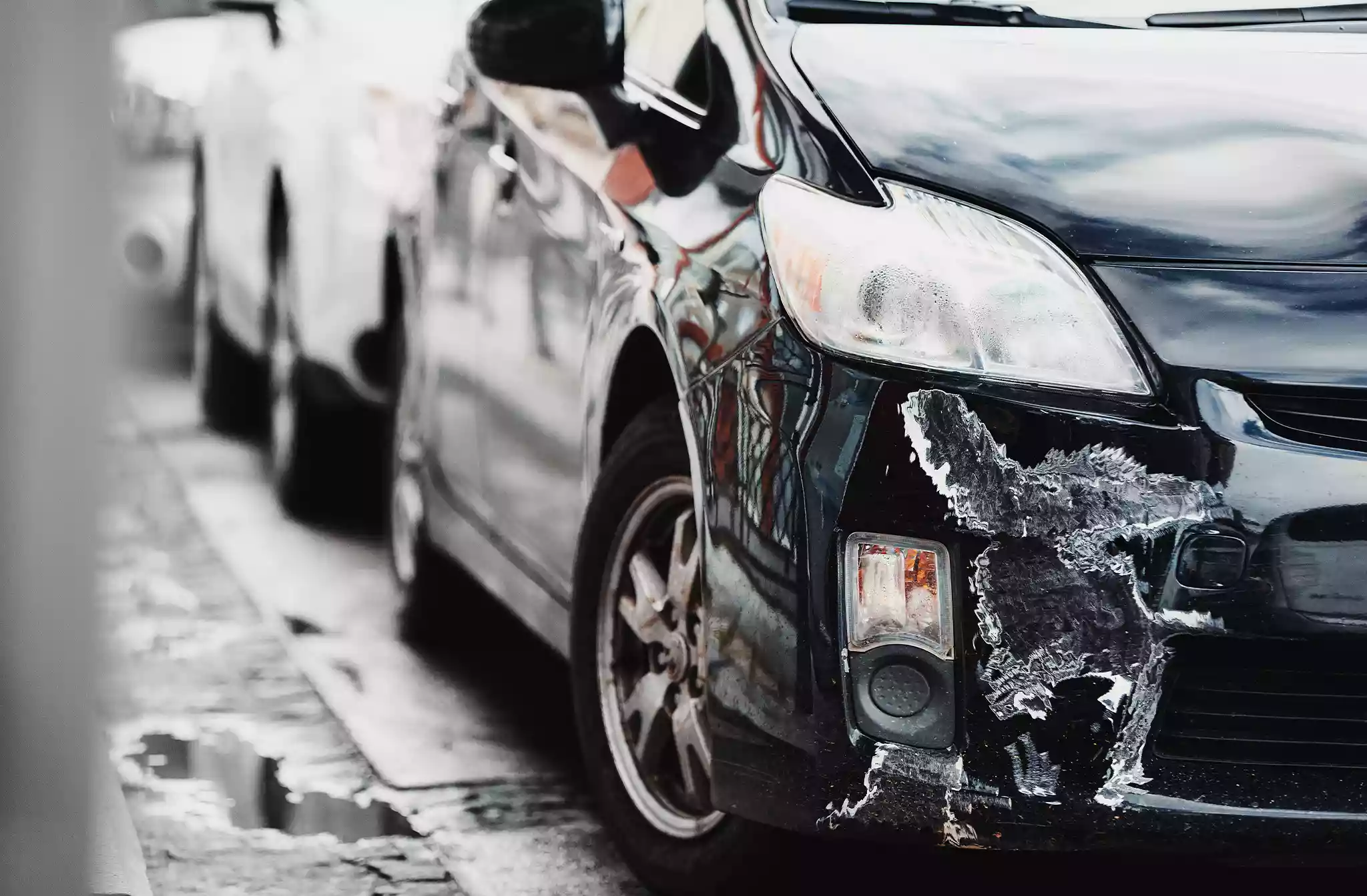
After a collision, focus on safety, medical care, and accurate documentation. Your actions at the scene and during the following days can support your health, insurance claim, and ability to seek compensation.
Los Angeles accidents can involve busy freeways, crowded intersections, parking lots, or residential streets. Several drivers may be involved, witnesses may leave quickly, and each person may remember events differently. This checklist can help you respond calmly and preserve useful information.
This guide explains what to do after a car accident in Los Angeles and offers practical ways to protect your well-being and legal rights. It provides general information about California law as of August 2026. An attorney can evaluate how the law applies to a specific situation.
Quick Summary
After a car accident in Los Angeles, stop and move to a safe location when possible, check for injuries, and call 911 when someone is hurt. Exchange driver, vehicle, and insurance information, photograph the scene, and collect contact details from witnesses. Seek medical care, notify your insurance company, and file an SR-1 with the California DMV when required. Keep records of your treatment, expenses, and time away from work. A free case review can also provide clarity before you accept a settlement or sign a release.
Step 1: Stop and Check Your Surroundings
California drivers must stop after a collision. Remaining at the scene allows everyone to exchange information and assist anyone who needs care.
Turn on your hazard lights and look for approaching traffic, leaking fuel, fire, or roadway debris. When everyone appears uninjured and your vehicle remains drivable, move it to a safe location outside active traffic lanes.
On a Los Angeles freeway, a vehicle in a traffic lane can increase the risk of a second collision. Move when conditions allow. Otherwise, wait in a protected area for emergency assistance.
Stay at the scene even when the damage appears minor. Vehicle damage and physical symptoms may become clearer later.
Step 2: Check for Injuries and Call 911
Check yourself, your passengers, the other driver, and everyone else involved. Call 911 immediately when someone is injured, appears disoriented, has trouble breathing, or reports significant pain.
A 911 call is also appropriate when:
- A pedestrian, cyclist, or motorcyclist is involved.
- A vehicle blocks traffic or creates a dangerous condition.
- The other driver may be impaired or acts aggressively.
- A driver leaves the scene.
- The people involved disagree about what happened.
- Public property, such as a traffic signal or guardrail, has been damaged.
Tell the dispatcher where the collision occurred, how many vehicles are involved, and whether anyone needs medical assistance. In Los Angeles, dispatchers can identify the appropriate response from the Los Angeles Police Department, California Highway Patrol, fire department, or another agency.
Keep a seriously injured person in place when the location remains safe, and follow the dispatcher’s instructions until emergency personnel arrive.
Step 3: Exchange the Required Information
Exchange information with every driver involved. California drivers are expected to provide their driver’s license, current address, vehicle registration, and insurance information.
Collect or photograph:
- The driver’s full name, current address, and phone number
- The driver’s license number
- The insurance company and policy number
- The vehicle owner’s name when it differs from the driver’s name
- The license plate number
- The vehicle’s make, model, year, and color
Review the actual documents and confirm that the insurance card identifies the driver or vehicle owner. Record any differences you see.
Also document whether the driver was working, making a delivery, operating a company vehicle, or transporting a rideshare passenger. Depending on the circumstances, an employer or company may have insurance coverage or legal responsibility.
Stay calm and keep the conversation focused on exchanging information. Questions about responsibility can be evaluated later through evidence.
Step 4: Document the Accident Scene
Strong documentation can help establish how the collision happened. When your condition allows, take photographs and videos before the vehicles are repaired, moved farther away, or towed.
Capture:
- Damage to every vehicle and each license plate
- The position of the vehicles
- Broken glass, vehicle debris, and skid marks
- Traffic lights, stop signs, and lane markings
- Construction zones or road defects
- Nearby businesses and homes
- Weather, lighting, and visibility
- Visible injuries
Take close-up and wide-angle photographs. Close images show specific damage, while wider images show each vehicle’s position in relation to lanes, signs, and traffic signals.
Write down the time, exact location, direction of travel, and sequence of events while your memory is fresh. Save dashboard-camera footage promptly because some systems automatically record over earlier files.
Nearby businesses, homes, buses, and traffic systems may also have cameras. Identifying those cameras early can help preserve footage while it remains available.
Step 5: Speak with Witnesses
Independent witnesses can help when drivers remember the accident differently. Ask each witness for a name, phone number, and email address.
With permission, invite the witness to give a brief recorded description of what they saw. Your own outreach may capture contact information from people who leave before officers arrive, especially when traffic begins to build.
Step 6: Keep Your Statements Factual and Focused
Cooperate with emergency personnel and provide accurate identifying information. Describe facts you remember clearly and leave uncertain details for later review.
Physical symptoms sometimes develop after adrenaline begins to settle, so describe how you feel at that moment and remain attentive to changes. Keep comments brief and factual. Questions about speed, fault, injuries, repair costs, or a future claim can be addressed after you have complete information.
Allow insurance discussions and payment negotiations to take place after the scene is secure. Keeping accident photographs, videos, and comments private can also protect the accuracy of your claim, since insurers and defense attorneys may review public social media posts.
Step 7: Obtain the Police Report Information
When an officer investigates the collision, ask for the officer’s name, agency, badge number, and report or incident number. Confirm how and when you can request a copy.
A police report may include:
- Driver and insurance information
- Statements from the people involved
- Witness details
- Collision diagrams
- Road-condition observations
- Citations issued at the scene
The report serves as a useful starting point, while legal responsibility remains a separate determination based on the full evidence.
California also requires a report to law enforcement within 24 hours when a collision results in injury or death, as described in the California Driver’s Handbook.
Step 8: Seek Medical Care
Some accident injuries appear immediately, while others become noticeable as shock and adrenaline fade.
Symptoms may include:
- Neck or back pain
- Headaches or dizziness
- Numbness or tingling
- Shoulder or knee pain
- Abdominal discomfort
- Trouble concentrating or changes in sleep
- Anxiety while driving
Seek emergency treatment for serious or worsening symptoms. For other concerns, arrange a prompt medical evaluation and explain that you were involved in a car accident. Tell the provider about every symptom, including symptoms that feel less prominent.
Medical care supports your health and creates a record connecting your symptoms to the collision. Prompt evaluation also gives your providers clearer information about when an injury began.
Follow the treatment plan and attend scheduled appointments. When progress feels limited, discuss your response to treatment with the medical provider so the plan can be reviewed.
Step 9: Notify Your Insurance Company
Report the accident to your insurer as soon as reasonably possible. Your policy may require prompt notice, including situations where another driver appears responsible.
Provide the basic facts:
- When and where the accident occurred
- Which vehicles were involved
- Whether anyone was injured
- Whether law enforcement responded
- Where your vehicle was taken
Share accurate information and reserve conclusions about fault until the evidence is available. Legal guidance can be helpful before a detailed recorded statement, especially when the other driver’s insurer requests it.
Review your policy for coverage that may apply, including collision coverage, medical payments coverage, rental reimbursement, and uninsured or underinsured motorist coverage. Uninsured and underinsured motorist coverage can be especially valuable when the responsible driver lacks insurance or carries coverage below the amount of the losses.
Keep the claim number and adjuster’s contact information. Save emails, letters, repair estimates, and every document you submit.
Step 10: File an SR-1 With the California DMV When Required
The DMV reporting requirement is separate from a police report and insurance claim.
You or an authorized representative must submit an SR-1 to the California DMV within 10 days when:
- Anyone is injured, including a minor injury.
- Someone is killed.
- The collision causes more than $1,000 in property damage.
This requirement applies regardless of fault and can extend to collisions on private property. Each driver is responsible for filing. Timely filing protects driving privileges and satisfies the separate DMV requirement.
Modern vehicle repairs can readily exceed $1,000, so repair estimates provide a more reliable guide than the vehicle’s appearance at the scene.
Step 11: Preserve Records of Your Losses
Records provide clear support for a car accident claim. Create one folder for everything connected to the collision.
Keep copies of:
- Police and incident reports
- Medical records, bills, prescription receipts, and health insurance statements
- Vehicle repair estimates, towing bills, and storage bills
- Rental car, rideshare, and transportation receipts
- Pay stubs and records of time away from work
- Insurance emails and letters
- Photographs and videos
- Notes about pain and daily limitations
If your injuries affect your work, ask your employer to document the dates and hours involved. Self-employed people can use invoices, tax records, calendars, contracts, and similar documents to show interrupted work and lost income.
A short daily record can explain how injuries affect ordinary activities. Keep it factual and include symptoms, appointments, sleep changes, mobility limits, and tasks that require extra time or assistance.
Step 12: Take Time to Evaluate a Settlement
An early settlement offer can feel helpful while bills and repair costs accumulate. Accepting a settlement generally includes signing a release, which can end the right to request additional compensation if future treatment becomes necessary.
Before accepting an offer, make sure you understand:
- The full extent of your injuries
- The likelihood of future medical care
- Your total lost income
- The available insurance coverage
- Every party who may share responsibility
- Bills or liens payable from the settlement
- The legal rights included in the release
A quick payment may cover only part of the total losses. A case review can clarify what an offer includes and help you make an informed decision.
Step 13: Understand How Fault Works in California
California uses comparative fault, which allows responsibility to be divided among the people or companies involved.
When another driver bears most of the responsibility and you receive a share of fault, your compensation may be reduced by that percentage. California’s comparative-fault jury instruction explains this proportional approach.
Fault may be evaluated through:
- Police reports and witness statements
- Photographs, video, and vehicle damage
- Electronic vehicle data and phone records
- Traffic-signal data
- Expert accident reconstruction
Your claim may still have value when another driver or adjuster says you contributed to the collision. Evidence can provide a fuller picture and reshape the initial account.
Step 14: Identify Everyone Who May Be Responsible
Many accidents involve two individual drivers, while others call for a broader investigation.
Additional responsibility may arise when:
- The driver was working.
- A commercial truck or delivery vehicle was involved.
- The collision involved an Uber, Lyft, taxi, or bus.
- A defective vehicle component contributed to the crash.
- Road design or maintenance played a role.
- A government vehicle was involved.
- The vehicle owner allowed another person to drive.
- Several vehicles contributed to the collision.
Identifying each potentially responsible party may also reveal additional insurance coverage. A detailed investigation can be especially valuable after a serious or disputed accident.
Step 15: Pay Attention to California Deadlines
For many California personal injury cases, California Code of Civil Procedure Section 335.1 provides two years from the date of injury to file a lawsuit.
Other timelines may apply when:
- A city, county, state agency, or another public entity is involved.
- The injured person is a minor.
- The injury becomes discoverable later.
- A defendant leaves California.
- The claim concerns property damage.
- The accident results in death.
Claims involving a public entity can move especially quickly. A personal injury or property damage claim generally must be presented to the appropriate government agency within six months under California Government Code Section 911.2.
Confirming the applicable deadline early provides the strongest opportunity to preserve every available option.
Helpful Ways to Protect Your Claim
An accident can leave anyone shaken. The following habits can help preserve useful evidence and support a smoother claims process:
- Stay at the scene and exchange complete information.
- Photograph the vehicles, roadway, signs, and injuries.
- Collect witness contact details.
- Arrange prompt medical care and continue recommended treatment.
- Submit the SR-1 when the reporting threshold applies.
- Keep accident details and images private on social media.
- Give accurate statements based on facts you remember clearly.
- Read each document carefully before signing.
- Evaluate the full medical picture before settling.
- Preserve damaged personal property and repair records.
- Investigate video footage and other time-sensitive evidence promptly.
Every claim develops differently. When an earlier step remains incomplete, preserve the information available now and seek guidance about the next practical action.
When to Consider a Free Case Review
Many minor collisions can move through the insurance process efficiently. A free case review may offer additional value when:
- You suffered an injury or your symptoms continue to change.
- Responsibility is disputed.
- Several vehicles were involved.
- The responsible driver was uninsured or underinsured.
- A commercial or government vehicle was involved.
- An insurer requests a recorded statement.
- The insurer disputes coverage or payment.
- You received a settlement offer.
- Your injuries affect your work or may require ongoing care.
- You want clarity about the applicable deadline.
A personal injury claim can involve liability, available insurance, future treatment, lost income, and the full effect of the injuries. A legal review can bring these pieces together and help you understand your choices.
Schedule a Free Case Review with Ness Law
The days after a car accident may include medical appointments, vehicle repairs, insurance calls, and unfamiliar paperwork. Clear guidance can make each legal decision easier to understand.
Ness Law can review how the accident happened, explain the deadlines that may apply, and help you identify a practical next step. If you were injured in a Los Angeles collision, contact Ness Law to schedule a free case review.